Norman Mailer vs Marilyn Monroe: The Literary Feud Over an Icon
The Ultimate Vintage Hollywood Clash
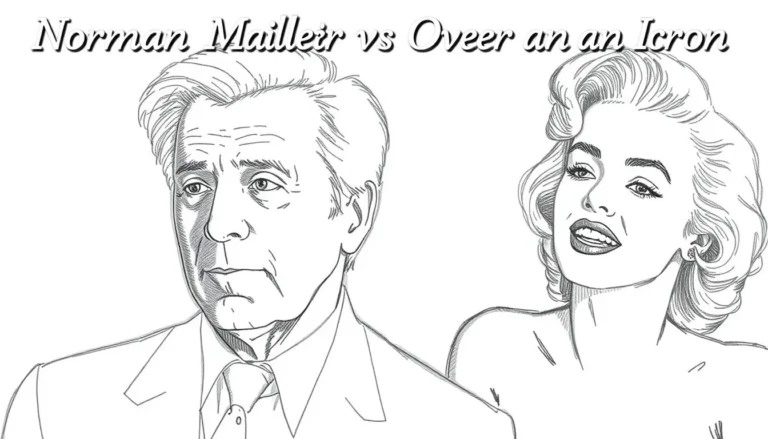
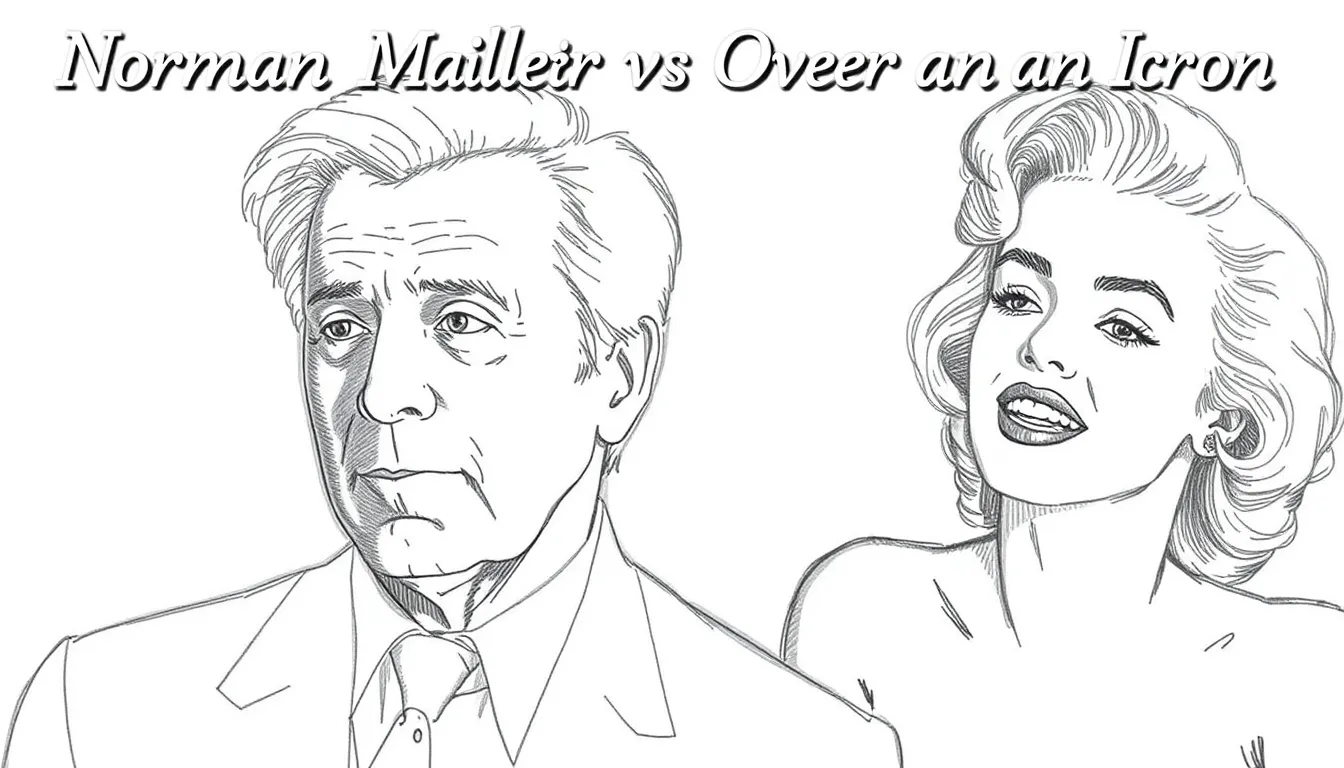
Every era has its defining celebrity feuds, but few rival the vintage clash of egos sparked when literary heavyweight Norman Mailer set his sights on the ultimate blonde bombshell, Marilyn Monroe. In 1973, Mailer unleashed Marilyn, a glossy, heavy ‘para-biography’ that blended fact with speculative fiction, wrapped around iconic photographs of the star. It was a publishing event designed to stir the pot, but not everyone was buying Mailer’s over-the-top, self-absorbed prose. Enter Pulitzer Prize-winning novelist Jean Stafford, who famously tore the biography to shreds in a blistering review for Vogue. Stafford argued that Mailer, a man who looked at newspapers the way others look in mirrors, was hardly equipped to write the definitive story of Hollywood’s most elusive star. Having actually met Marilyn herself, Stafford offered a grounded, fascinating contrast to Mailer’s lofty existential theories. This clash highlighted the eternal struggle between Marilyn the real human being and the stylized myth engineered by the media. Decades later, this historic literary showdown remains a masterclass in how culture treats its female icons, setting the stage for modern discussions on celebrity ownership and the ethics of unauthorized biographies.
Two Faces of Marilyn: From Ordinary to Ethereal
Stafford’s critique was uniquely devastating because she possessed first-hand knowledge of the star before and after the Hollywood machine reshaped her. She recalled meeting a young, unpolished Marilyn in the early 1950s in Westport, Connecticut, brought there by fashion photographer Milton Greene. Without the magic of makeup or high-end fashion design, Stafford described her as remarkably ordinary, resembling a waitress on her day off. Yet, a decade later, Stafford encountered Marilyn again on the set of The Misfits. By then, the star had transformed into an ethereal, incandescent force of nature, radiating a complex sorrow that captivated everyone in her orbit. This dramatic evolution of her personal style and public persona is what Mailer tried to dissect, though critics argued he relied on sensationalist ‘factoids’—a term Mailer popularized to describe manufactured media rumors. Marilyn’s shift from an ordinary girl to a global icon of beauty and fashion style showed the power of image curation. She was no longer just an actress; she was a canvas for high-end fashion-moda, a carefully constructed fantasy that writers like Mailer desperately tried to deconstruct, often projecting their own egos onto her blank canvas.
The Enduring Legacy of the Marilyn Myth
The fallout from Mailer’s biography sparked intense industry debate about where biography ends and fiction begins. Publishers faced legal threats, and critics questioned the ethics of male authors dissecting deceased female stars for profit. Yet, the public’s appetite for Marilyn remained insatiable. Decades after her passing, she remains a towering figure in global culture, her signature look still influencing modern fashion design and red-carpet aesthetics. Today, the world of fashion-moda continues to pay homage to her iconic wardrobe, proving that her visual legacy is far more powerful than any speculative biography. The controversy surrounding Mailer’s book foreshadowed our current obsession with celebrity documentaries and unauthorized biopics, raising the same timeless question: can we ever truly know the person behind the glamour? As we look back at Stafford’s witty defense of Marilyn’s humanity against Mailer’s grandiose theories, it is clear that the real Marilyn remains delightfully out of reach. She continues to inspire and mystify, her unique fashion style and enigmatic charm forever cemented in pop culture history, leaving writers and fans alike to chase the ghost of Hollywood’s greatest enigma.
Source: From the Archives: Jean Stafford on Norman Mailer’s Prurient Marilyn Monroe Biography
Monroe’s timeless glamour rivaled that of italian fashion icons, making her a global symbol of style that transcended Mailer’s literary portrayal.